Murukku
A classic Tamil snack made primarily with rice flour and lentil flour, seasoned and shaped into spirals before being fried until crisp. Murukku is especially popular during festive occasions such as Deepavali.
Karupatti Stories — by Nellai Mass Foods, Tirunelveli
Tamil Nadu is known for its rich culinary heritage, where traditional snacks, sweets and regional delicacies have been prepared and enjoyed for generations.
From crispy Murukku and Thattai to famous Tirunelveli Halwa, Karupatti sweets and Kovilpatti Kadalai Mittai, every region of Tamil Nadu has its own distinctive flavours and food traditions.
Explore traditional Tamil Nadu Palagaram, regional specialties, palm-jaggery delicacies and festival favourites in one place.
Traditional Tamil Nadu snacks, sweets & Palagaram
Tamil Nadu has a long and diverse culinary tradition. Traditional Palagaram and sweets are an important part of everyday life, family celebrations, festivals and special occasions.
Traditional snacks such as Murukku, Thattai, Seedai, Ribbon Pakoda and Thenkuzhal are known for their distinctive texture and flavour. Traditional sweets often use ingredients such as rice, jaggery, palm jaggery, coconut, sesame, groundnuts, milk and ghee.
Many famous delicacies are also closely associated with particular towns and regions. Tirunelveli is celebrated for its Halwa, Kovilpatti is famous for Kadalai Mittai, Srivilliputhur is known for Palkova, and Manapparai is widely associated with its traditional Murukku.
This page brings together some of the well-known traditional snacks, sweets and regional food specialties of Tamil Nadu. Recipes and preparation methods can vary by region and household.
Looking for Tirunelveli-focused reading? Start with our Karupatti guide, sweets and snacks pages from Nellai Mass Foods.
Palagaram refers to traditional snacks and savoury or sweet preparations enjoyed across Tamil Nadu. Many of these foods are prepared during festivals, family occasions, celebrations and traditional gatherings. Browse more on our traditional snacks page, or shop the traditional snacks collection.
A classic Tamil snack made primarily with rice flour and lentil flour, seasoned and shaped into spirals before being fried until crisp. Murukku is especially popular during festive occasions such as Deepavali.
A flat, round and crispy snack traditionally prepared using rice flour, lentils and spices. Thattai is a popular homemade Palagaram and festive snack.
Small, crunchy rice-flour balls traditionally prepared in both savoury and sweet versions. Uppu Seedai is the savoury variety, while Vella Seedai uses jaggery for sweetness.
A thin, ribbon-shaped crispy snack prepared from gram flour and rice flour. It is known for its crunchy texture and mildly spicy flavour.
A light and crunchy traditional snack made using rice flour and urad dal flour. It is generally less spicy and has a delicate crisp texture.
A spicy and crunchy gram-flour snack seasoned with traditional spices. It is commonly served with tea or included in festive snack mixtures.
Fine, crispy strands prepared with gram flour and omam (ajwain/carom seeds). Omapodi is commonly enjoyed on its own or as part of traditional mixture.
Small crispy gram-flour pearls seasoned with spices. Kara Boondi is commonly served as a snack or combined with other ingredients to make mixture.
Small round preparations made from fermented rice and urad dal batter. Paniyaram can be prepared in both savoury and sweet forms.
A traditional crispy fritter prepared using ground lentils, onions, chillies and spices. It is a popular tea-time and festive snack.
A soft and crispy urad-dal-based fritter traditionally served during meals, festivals and special occasions.
A traditional deep-fried sweet Palagaram generally prepared using ingredients such as rice flour, jaggery and banana depending on the regional preparation.
Traditional Tamil sweets are closely connected with Tamil festivals, temples, weddings, family celebrations and special occasions. Jaggery, palm jaggery, rice, coconut, milk and ghee are among the ingredients commonly used in these preparations. Explore our Karupatti sweets collection stories for Tirunelveli specialties.
One of the most famous sweets associated with Tirunelveli. Traditional Tirunelveli Halwa is known for its smooth, glossy texture and rich combination of wheat, sugar and ghee.
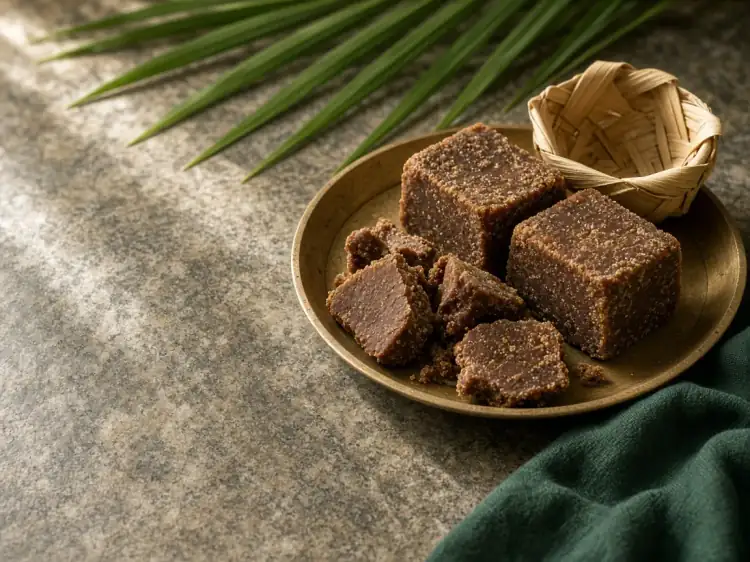
A traditional halwa prepared using karupatti, or palm jaggery. It has a distinctive deep colour and rich palm-jaggery flavour.
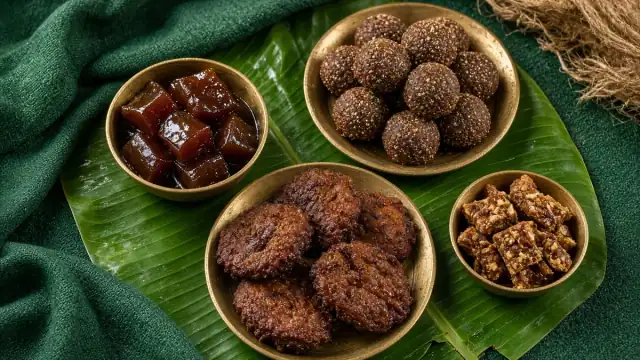
Traditional sweets made using palm jaggery. Karupatti gives these sweets their characteristic earthy sweetness and traditional flavour.
A traditional sweet Palagaram made with ingredients such as rice flour, jaggery and banana depending on the regional recipe. It is especially associated with traditional homemade preparations.
A classic Tamil sweet made from rice flour and jaggery. The dough is traditionally prepared and rested before being shaped and fried, resulting in a soft and chewy centre with a rich jaggery flavour.
A traditional milk sweet prepared by slowly reducing milk until it becomes thick and rich. Srivilliputhur Palkova is especially well known.
A traditional sweet flatbread filled with a sweet mixture, commonly made with dal and jaggery or coconut and jaggery.
A traditional peanut and jaggery sweet made by combining roasted groundnuts with cooked jaggery syrup.
Traditional round balls made from roasted groundnuts and jaggery. They are simple, crunchy and strongly associated with Tamil traditional sweet-making.
Sesame seeds combined with jaggery and shaped into small traditional sweet balls.
Puffed rice bound together with jaggery syrup to create a traditional crunchy sweet.
A traditional sweet Pongal preparation made with rice, jaggery, ghee, cardamom and nuts. It is especially important during the Pongal festival.
Traditional steamed rice-flour dumplings with sweet or savoury fillings. Sweet versions commonly contain coconut and jaggery.
Tamil Nadu's traditional food varies from region to region, and many towns are strongly associated with particular sweets, snacks and drinks. The list below highlights a few well-known regional associations—not an exhaustive map of every local specialty.
Tirunelveli has a strong food identity built around traditional sweets, palm-jaggery products and locally prepared Palagaram. Tirunelveli Halwa is the region's most recognised sweet specialty, while karupatti-based products represent the traditional use of palm jaggery.
Read more: Tirunelveli Halwa · Karupatti Halwa
The southern districts of Tamil Nadu are known for distinctive sweets and snacks. Kovilpatti Kadalai Mittai is especially associated with roasted groundnuts and jaggery, while Thoothukudi is known for its famous macaroon.
Madurai has a vibrant food culture with both traditional drinks and snacks. Jigarthanda and Paruthi Paal are among the region's well-known traditional beverages, while the city is also known for a wide variety of sweets and savoury foods.
The southern coastal region has a distinctive food culture influenced by its tropical environment and abundant use of coconut, banana and palm products. Banana chips, coconut-based preparations and palm-jaggery sweets are part of the region's traditional food heritage.
The Thanjavur and Cauvery Delta region has a rich culinary heritage connected with agriculture, temples and traditional Tamil households. Rice-based preparations, Paniyaram, Appam, Kozhukattai and traditional sweets are important parts of the regional food culture.
Palm jaggery, known as Karupatti in Tamil, has been an important traditional sweetener in southern Tamil Nadu. It is valued for its distinctive flavour and is used in a variety of traditional sweets, drinks and Palagaram.
Learn how karupatti is made and used in Tamil sweets in our complete Karupatti guide.
Tamil festivals are closely connected with traditional food preparation. Families often prepare different combinations of sweets and Palagaram depending on the occasion, local custom and household tradition.
Traditional snacks and sweets such as Murukku, Thattai, Mixture, Adhirasam, Mysore Pak and other homemade Palagaram.
Traditional preparations such as Sarkarai Pongal and other jaggery-based foods.
Traditional preparations such as Seedai, Uppu Seedai, Vella Seedai and Murukku.
Traditional Kozhukattai and other steamed rice-flour preparations.
Traditional sweets, Murukku, Mixture, Laddu, Halwa, Palkova and other special Palagaram.
Traditional Tamil Nadu snacks, commonly called Palagaram, include Murukku, Thattai, Seedai, Ribbon Pakoda, Thenkuzhal, Kara Sev, Omapodi, Paniyaram and various types of Vadai. Recipes and textures can vary by region and household.
Tamil Nadu has many famous regional sweets. Tirunelveli Halwa, Srivilliputhur Palkova, Kovilpatti Kadalai Mittai and Adhirasam are among the well-known traditional sweets associated with the state.
Karupatti is the Tamil term commonly used for palm jaggery. It is a traditional sweetener used in many southern Tamil Nadu sweets, drinks and food preparations.
Tirunelveli is particularly famous for Tirunelveli Halwa and has a strong tradition of palm-jaggery-based sweets and traditional Palagaram.
Kovilpatti is particularly known for its traditional Kadalai Mittai, made primarily with groundnuts and jaggery.
Depending on the festival, traditional foods include Adhirasam, Murukku, Seedai, Kozhukattai, Sarkarai Pongal, Poli and other jaggery- and rice-based preparations. Exact menus vary by family and region.
Want to know more about Nellai Mass Foods? Visit our About page.
Discover the rich variety of Tamil Nadu's traditional snacks, sweets and regional specialties. From crispy Palagaram to rich Halwa and authentic Karupatti delicacies, explore the flavours that continue to be part of Tamil food traditions.